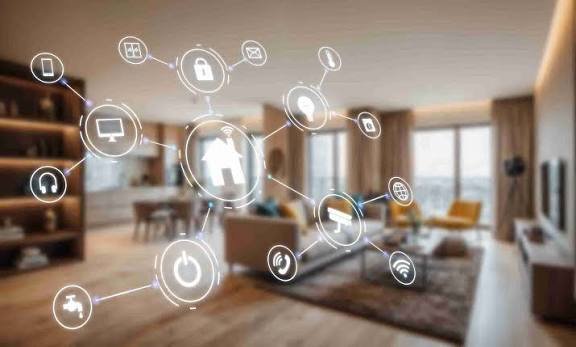
Buying a new property is exciting, but it’s also the perfect moment to think beyond paint colors and furniture layouts. Smart home features—devices and systems that let you control lighting, security, temperature, and entertainment through your phone or voice—have become a standard expectation rather than a luxury add-on. For new homeowners, integrating these technologies early can save significant time, money, and frustration compared to retrofitting them later.
When smart home planning happens during the purchase or renovation phase, wiring, network infrastructure, and device placement can be built into the property’s bones. This proactive approach avoids the higher costs and visible cabling that often come with adding technology after move-in. It also means your home is ready to adapt as your needs change.
Assessment & Planning Phase
Before choosing any devices, take stock of your property’s existing infrastructure. Check your internet connectivity, electrical panel capacity, and existing wiring to understand what upgrades might be needed. A home with outdated wiring or weak WiFi coverage will need additional groundwork before smart devices can perform reliably.
Next, identify which features matter most for your lifestyle and budget. A busy family might prioritize security and automated lighting, while a tech enthusiast may want a fully integrated entertainment system. Think about scalability too—choosing devices and platforms that can grow with you prevents the need for a complete overhaul down the line.
This is where working with experienced professionals makes a real difference. Sound Effects AV teams provide tailored solutions that match your property’s layout and your household’s specific needs, helping you avoid costly guesswork.
Essential Smart Home Features to Consider
A few core categories form the foundation of most smart home setups:
- Smart lighting systems: Automate schedules, dim lights remotely, and reduce energy consumption without sacrificing convenience.
- Intelligent thermostats: Learn your habits and adjust heating or cooling automatically, often cutting utility bills significantly.
- Smart security cameras and doorbells: Monitor your property in real time and receive alerts directly on your phone, wherever you are.
- Automated door locks: Grant or restrict access remotely, eliminating the need for physical keys and enhancing overall security.
- Smart speakers and voice assistants: Serve as a central hub, letting you control multiple devices through simple voice commands.
Together, these features create a home that responds to your needs rather than requiring constant manual input.
Integration & Compatibility
One of the biggest mistakes homeowners make is purchasing devices from different brands without checking compatibility. Before buying anything, decide on a unified smart home platform or ecosystem—whether that’s Apple HomeKit, Google Home, or Amazon Alexa—and choose devices designed to work within it.
Seamless integration means your lighting, security, and climate systems can communicate with one another, creating routines like lights dimming automatically when your movie starts. This also simplifies troubleshooting since you’re managing one system instead of several disconnected apps.
Network infrastructure deserves equal attention. Reliable WiFi coverage throughout the property, including outdoor areas and garages, ensures every device stays connected without lag or dropouts. This is another area where the Sound Effects AV team can help, designing network layouts that support current devices while leaving room for future additions.
Budget & Installation
Smart home upgrades range widely in cost, so it helps to set a realistic budget that covers both initial setup and future expansion. Prioritize essential features first, then plan for additions like automated blinds or advanced entertainment systems as your budget allows.
Timing matters too. If you’re renovating, installing wiring and infrastructure before walls are closed up saves considerable expense and hassle later. For move-in-ready properties, retrofitting is still possible, but it requires more careful planning around existing structures.
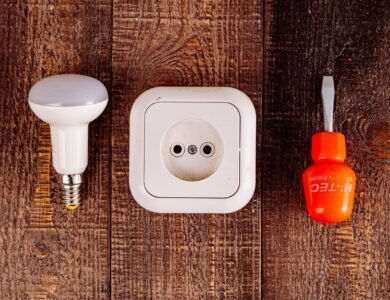
Deciding between professional installation and a DIY approach depends on the complexity of your setup. Simple devices like smart plugs or bulbs are easy to install yourself, but integrated systems involving networking, security, and multiple ecosystems often benefit from professional expertise. Partnering with a team like Sound Effects AV ensures devices are installed correctly, configured to work together, and backed by ongoing support if issues arise.
Building a Connected Home That Grows With You
Thoughtful smart home planning during a property purchase sets the foundation for a more efficient, secure, and comfortable living space. Rather than trying to implement everything at once, start with the features that matter most to your daily life, then expand your system gradually as your needs and budget evolve.
With the right planning and the right partners, your new property can become a genuinely connected home, one that adapts to you rather than the other way around.